
Sugar, Stress, Durians and Sashimi: What 14 Days of Glucose Tracking Taught Me
- Aug 23, 2025
- 5 min read

For two weeks, I tracked my blood sugar around the clock using a continuous glucose sensor. I don’t have diabetes, but I was curious — curious about how my current lifestyle might be affecting my metabolism, and even more importantly, curious about what my patients experience on a daily basis.
As an obstetrician who regularly manages women with gestational diabetes (GDM), I’ve seen firsthand how challenging it is to keep sugar levels in check during pregnancy. My patients juggle new diets, confusing food labels, finger-pricks, and anxiety over every number. I wanted to know what it really feels like, not just from a clinical perspective, but as a lived experience.
On a personal note, I’ve had a long journey with weight. I was the classic “fat kid,” and during the COVID-19 period, I gained a significant amount of weight. That became my turning point. I made deliberate changes, shifting towards whole foods, cutting back on processed and high-carb meals, and committing to regular exercise. Over time, I lost about 20 kilograms and regained my health.
Even so, I’ve often wondered — how does my body respond to food now? Are my “healthy” meals really as safe as I think? How much do stress, sleep, and exercise timing affect my blood sugar?
I decided to find out, one day at a time.
⸻
What is a Continuous Glucose Monitor?

A continuous glucose monitor (CGM) is a small sensor worn on the body, usually on the upper arm. It measures glucose levels in the fluid between your cells and sends data wirelessly to your phone or reader. Instead of relying on finger-prick tests, you get real-time feedback, with readings every few minutes.
While CGMs aren’t as precise as finger-prick methods for diagnosing diabetes, they offer something invaluable — context. They show trends and patterns throughout the day, not just isolated snapshots.
This makes them a useful tool for anyone curious about how food, stress, activity, or sleep affects their blood sugar.
⸻
What It Felt Like Putting It On
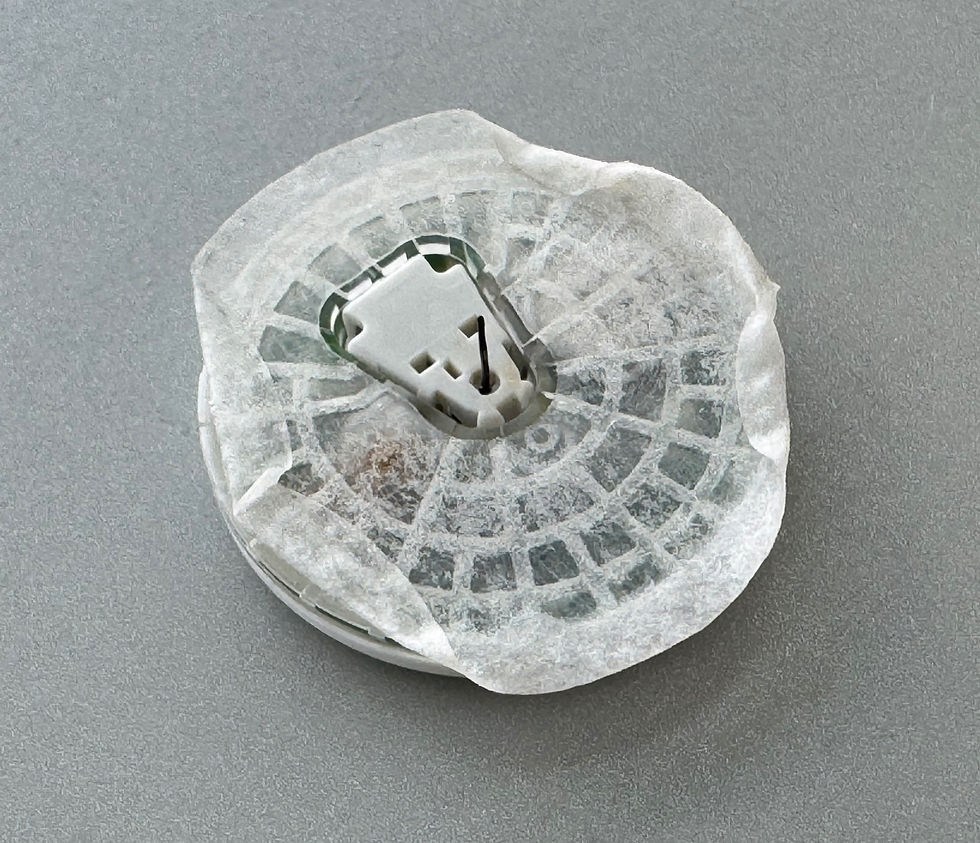
I had been told the sensor was virtually painless to apply. Still, when I opened the applicator and saw what looked like a fairly substantial needle, I had doubts.
To my surprise, I barely felt anything. The sensor went in smoothly and quickly. It was simple to apply, and once it was on, I forgot about it most of the time.
I was also concerned about possible irritation or itching, but I experienced hardly any. Despite Singapore’s heat and humidity, the adhesive held well and didn’t bother me.

Removing it was straightforward, though the adhesive was more secure than I expected. With a little patience, it peeled off cleanly with no mess or discomfort.
The sensor didn’t hold me back from anything. I continued my regular workouts — including swimming two to three times a week, cardio-kickboxing sessions, and time on the elliptical machine. It stayed in place throughout.
If you’re worried about wearing a CGM during daily life or exercise, don’t be. It fits in easily.
⸻
Sugar: The Expected and the Unexpected
The most revealing insights came from my meals. I’ve been following what I consider a healthy, low-carb diet. No sugar-sweetened drinks, mostly whole foods, and minimal processed items. Yet, the CGM showed that even “good” food can cause unexpected glucose rises, depending on how much I ate, when I ate, and what I paired it with:

• Breakfast was the most unpredictable. Even seemingly light meals like low-GI toast and soy milk triggered clear spikes, surprisingly if I worked out soon after breakfast.
• Durians, unsurprisingly, caused a significant peak. The surprising thing was the effect of taking durians with a meal versus taking them on an empty stomach. The sugar spike was less dramatic when durians were taken with or soon after a meal, perhaps because my body had to work at digesting the durian admist the rest of the food I had eaten.
• A berry smoothie (Nutri-Grade B) didn’t spike my glucose at all. Despite being sweet, it was well-balanced in fibre and sugar, and the portion was modest.
• The real surprise came from sashimi — or more specifically, a sashimi don lunch with minimal rice and three pieces of Kaki Fry (fried oysters). I expected a flat response. Instead, I saw a double peak: one likely from the rice, and a second delayed peak, probably due to the fat and protein in the fried oysters slowing digestion and altering the glucose curve.
This reinforced something I tell patients often: it’s not just about carbs. Meal composition and timing play a huge role.
⸻
Stress: The Invisible Factor

One of the biggest lessons came from watching how my glucose responded on stressful days.
Even when I ate clean, my glucose trended higher during clinic-heavy mornings or back-to-back meetings. These were days when I wasn’t eating more or sleeping less, but I was mentally stretched.
Cortisol, the stress hormone, raises blood sugar — and it doesn’t need carbs to do it. My experience confirmed that stress alone can nudge numbers upward.
This made me more conscious of how invisible factors — like mental load — can affect metabolic health.
⸻
Sashimi and Other Lessons

Throughout the 14 days, I tracked not only meals but also sleep, stress levels, and physical activity. I tried different meal types, tested “questionable” foods, and adjusted exercise timing. Here’s what stood out:
1. Glucose spikes don’t always come from sugar. Composition, timing, and digestion rate matter just as much.
2. Stress changes everything. Even in the absence of food, emotional pressure caused significant changes in glucose levels.
3. “Healthy” meals aren’t always harmless. On the other hand, foods I assumed would cause trouble didn’t always do so.
4. Exercise timing matters. A brisk walk after meals helped blunt sugar spikes. Intense exercise in a fasted state, however, occasionally triggered transient rises.
5. CGM provides awareness, not anxiety. The real value was in seeing how choices played out. It was empowering, not obsessive.
⸻
A Note About CGM and GDM
At this point, it’s important to clarify that CGM is not officially recommended as the standard tool for monitoring gestational diabetes. Finger-prick testing remains the gold standard because of its accuracy and established role in care.
That said, an accurate method is only useful if patients can consistently use it. Many women find finger-pricking painful, stressful, and demotivating. As a result, some skip testing or feel overwhelmed.
CGM offers a less painful, more intuitive way to engage with glucose data. While it may not match the precision of finger-stick readings, it helps patients understand patterns and stay motivated. For some, that ease of use could mean better overall control and consistency.
It’s not a replacement, but it is a promising support tool. For GDM patients — especially those struggling with finger-prick fatigue — it can offer both relief and insight.
⸻
Final Thoughts

These two weeks taught me more than I expected — about food, stress, activity, and most importantly, about empathy.
To my patients managing GDM and navigating this daily balancing act: I see you. I now understand the burden a little more clearly. And I remain committed to walking alongside you with care, compassion, and clarity.
To anyone thinking about glucose tracking, whether for curiosity, weight management, or metabolic health — it’s worth exploring. You don’t need to have diabetes to benefit from understanding your body better.
A little sensor can reveal a lot. And sometimes, it’s the unexpected things — like stress, sashimi, durians or even smoothies — that teach us the most.



Comments